
Platform that connects the seller’s (Farmer’s & Florist’s) and customers





Mobile App
UX
Personal study
Platform connects seller and customers - Agrarian Bloom
Mobile app that connects farmers, florists, and customers without any middlemen. It helps farmers earn fair prices for their hard-grown flowers, and allows florists to showcase their craft with honesty. Customers get fresher flowers, clearer transparency, and a real story behind every purchase.
Overview
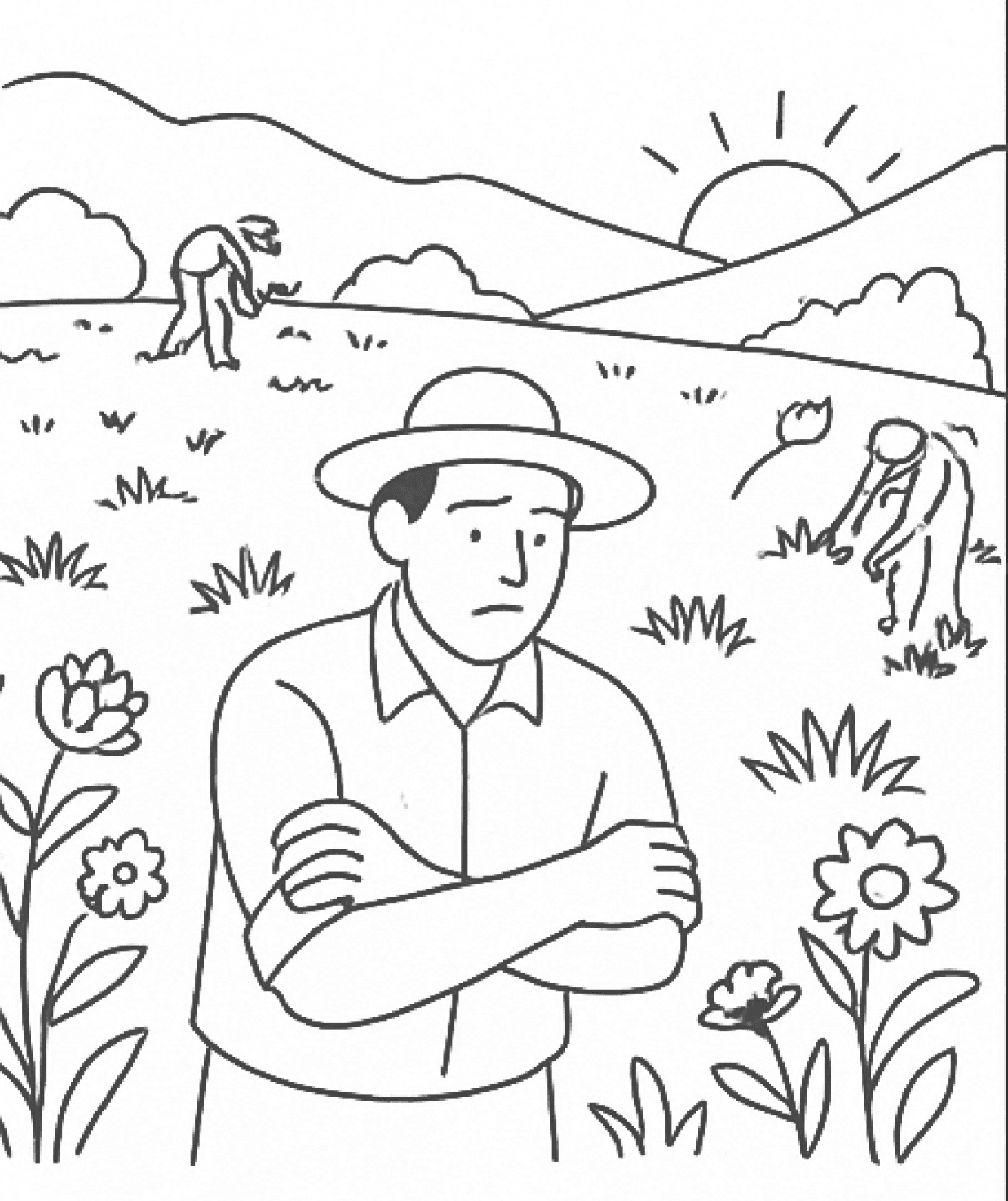
The scene that hits me
I’ve seen this firsthand in my own family — the flowers they grow are sold for low prices, while the same flowers are sold for much more in city shops. This unfair gap hurts farmers and leaves customers unaware of where their flowers come from. There’s a real need for a better, more honest way to connect the people who grow and arrange flowers with those who buy them.


The Problem
After exploring the situation more deeply, I discovered a significant disconnect between the people who grow or arrange flowers and the customers who buy them. Flower farmers and florists work incredibly hard to produce each bloom, yet they often earn far less than the true value of their work.
Meanwhile, customers enjoy the final product without knowing where it came from or who created it. This big gap—both in pricing and in transparency—shows that the system is unfair and needs a better bridge between creators and buyers.
What in my mind as AIM
Fair in Pricing
Transparency
Efficient
Setting the table
Secondary Research
Even with a personal connection to this problem, I didn't want to design from assumptions. I needed to understand the floral industry objectively — from market structure to pricing dynamics to the digital tools farmers actually use.
Market Landscape
to find current operation
Pricing Structure
to find how it works
Supply Chain Flow
for business model
User Ecosystem
Who interact with the App
Glimpse of Research

🏪 Market Landscape
The floral industry in India operates through a fragmented and highly location-dependent system. Most flowers travel from rural farms to urban markets through multiple layers of intermediaries, each adding cost but not necessarily value.
Prices fluctuate daily, often leaving farmers with low margins while city customers pay significantly more. To understand deeper, jumping into competitor analysis:
📊 Competitor Research
I explored several similar websites and apps to see how they approach the same problem. This helped me understand common patterns, strengths, and gaps in their user experience, pricing, and overall design.
For analysis, I selected five key competitors:





FNP (Ferns N Petals)
Farmizen
LookAtFlowers
AgroStar
CityFlowers
💰 Pricing Structure
To ensure fair and transparent pricing for both seller(farmers/florists) and buyers, the app can gather real-time flower price data from trusted sources and use it to generate a reasonable base price. This helps sellers stay informed about market trends while allowing customers to understand why prices vary.
Two things we have to be considered:
Reliable Resources for Flower Prices
commonly used sources in India:
APMC / Government Market Portals
Major Flower Markets' Daily Price Updates
Private Agricultural Apps (API-ready)
Local Market Associations
Factors Affecting Pricing
Pricing is not fixed — it changes due to several environmental, market, and logistical factors.
Geographic Factors
Logistic & Distance-Based Factors
Market-Driven Factors

How This Shapes the App's Pricing Model
Base price will be auto-generated using verified market prices (e-NAM, Agmarknet, APMC data) and adjusts it using geographic and delivery distance factors. This ensures that farmers and florists receive fair compensation while customers pay a transparent and reasonable price.

Supply Chain
To support fresh, fast, and reliable flower delivery, we can integrate India’s leading logistics services that specialize in same-day or express delivery. During my research, I identified several top logistics providers capable of handling time-sensitive shipments across major cities and Tier-2 regions — making them ideal for delivering flowers quickly and safely.
For proper storage, temperature control, and efficient handling, warehouse rental services can also be incorporated into the supply chain. These help maintain freshness before dispatch and support high-volume sellers like florists during peak seasons.
Additionally, for exporting flowers to international markets, there are established logistics companies in India that offer secure and efficient cross-border shipping solutions. by combining all three qualities, some of logistics which will be the best fit for

Delhivery
Express delivery across 18k+ PIN codes

Shadowfax
Hyperlocal & same day delivery

Dunzo
30–90 min delivery within cities

Coldman
Cold storage & logistics

DHL Express
Global leader in shipping abroad
User Ecosystem
The flower market is built on a network of people who depend on each other, yet often remain disconnected. Farmers grow the flowers, florists transform them into beautiful arrangements, delivery partners move them across locations, and customers create the final demand. Each group has its own goals, challenges, and expectations — but the current system doesn’t allow them to communicate or benefit fairly.
By understanding this user ecosystem, we can clearly see where value is lost, where trust breaks, and where technology can create meaningful connections. Mapping these roles helps identify how Agrarian Bloom can support each user, simplify their interactions, and build a more transparent, honest flow from the field to the customer’s hands.

Primary Research
User Research
I began the project by understanding the people at the heart of the problem. I directly spoke with farmers and florists to listen to their real stories, struggles, and day-to-day experiences — giving me deep, qualitative insights into how the flower market truly works.
To complement this, I also conducted a Google Forms survey with flower buyers to collect quantitative data, identify buying patterns, and understand customer expectations at scale. Together, these insights helped shape a clear picture of the needs, gaps, and opportunities across all user groups. Some responses from the buyers survey
In offline Do you face any issues while shopping flowers ?
40%
Uneven Prices
How familiar are you with the florist and their offerings?
54%
No idea about them
From Where do you know about the Actual Prices of the Flowers?
46%
Words of Mouth
User Persona
To better understand the people, I grouped the research insights into clear, relatable user personas. Each persona represents a key user category - farmers, florists, and buyers. Here, a personas from the seller(both farmer & florist) side:

I work with nature and creativity to bring beauty into people's lives. Yet behind every bloom I sell, there's a quiet fight.
Reliability
Fair Pricing
Ease of Use
Visibility
Logistics Efficiency
●●●●○
●●●●●
●●●○○
●●●●○
●●●●○
Pain Points
Huge price gap between farm and market
Struggle to attract direct buyers, most prefer wholesale
Lack of trust in digital platforms
Limited knowledge of tech
Uncertainty due to things like pandemics or transport delays
Needs
Simple, easy-to-use selling platform
Trustworthy payment system
Better visibility to showcase flower quality
Support for delivery or logistics
Guidance or help using tech tools
Farmers & Florists
Age Range
Location
Tech Comfort
Income Dependency
: 30–60
: Madurai, India
: Low–Medium
: High
Key Motivators
Mud &
Creativity
in Hands
“
Persona - Seller
Making Sense of the Research
SWOT Analysis
To build a solution that truly fits the needs of farmers, florists, and buyers, I conducted a detailed SWOT analysis. This helped me clearly understand where Agrarian Bloom can stand out with its strengths, what potential risks or limitations to watch for, and where the platform has meaningful opportunities to grow.

Affinity mapping
After gathering insights from interviews, surveys, and field observations, I organized all the data using affinity mapping. This helped me uncover patterns, connect related pain points, and clearly identify what farmers, florists, and buyers truly expect from a solution like Agrarian Bloom. By clustering their thoughts, struggles, and motivations, I was able to translate raw research into actionable design directions. Here’s what emerged:
Need & Expectations
Easy-to-use application suitable for all situations
Reliable delivery with fresh, high-quality flowers
Fair and transparent pricing
A platform they can trust — especially when buying from or selling to new people
User Pain Points
Low and unstable income for sellers
No clear pricing standards
Very limited visibility for florists and their craft
Lack of awareness about flowers
Digital tools feel intimidating or unfamiliar
Current Workarounds
Selling and buying through middlemen
Visiting markets physically
Relying entirely on word-of-mouth connections
Tech Constraints
Must work smoothly in low-network rural areas
Users have limited digital literacy
Need for regional language support
Simple, low-cognitive-load user flows
User flow
With a clear picture of user needs, I mapped the complete journey for each user type - Farmer, Florist, and Buyer, identifying every touchpoint from onboarding to order completion.
Onboarding
Home
Confirm Booking
Provide Address
Edit Profile
Farmers
Florist
Products
Favorites
Profile
Notification
Cart
Search
Sign In
View Service
View Product
Payment
Order History
Purchase Successfully
Logout
Search result
View Notification
View
Profile Info
Register
Have an account?
Start
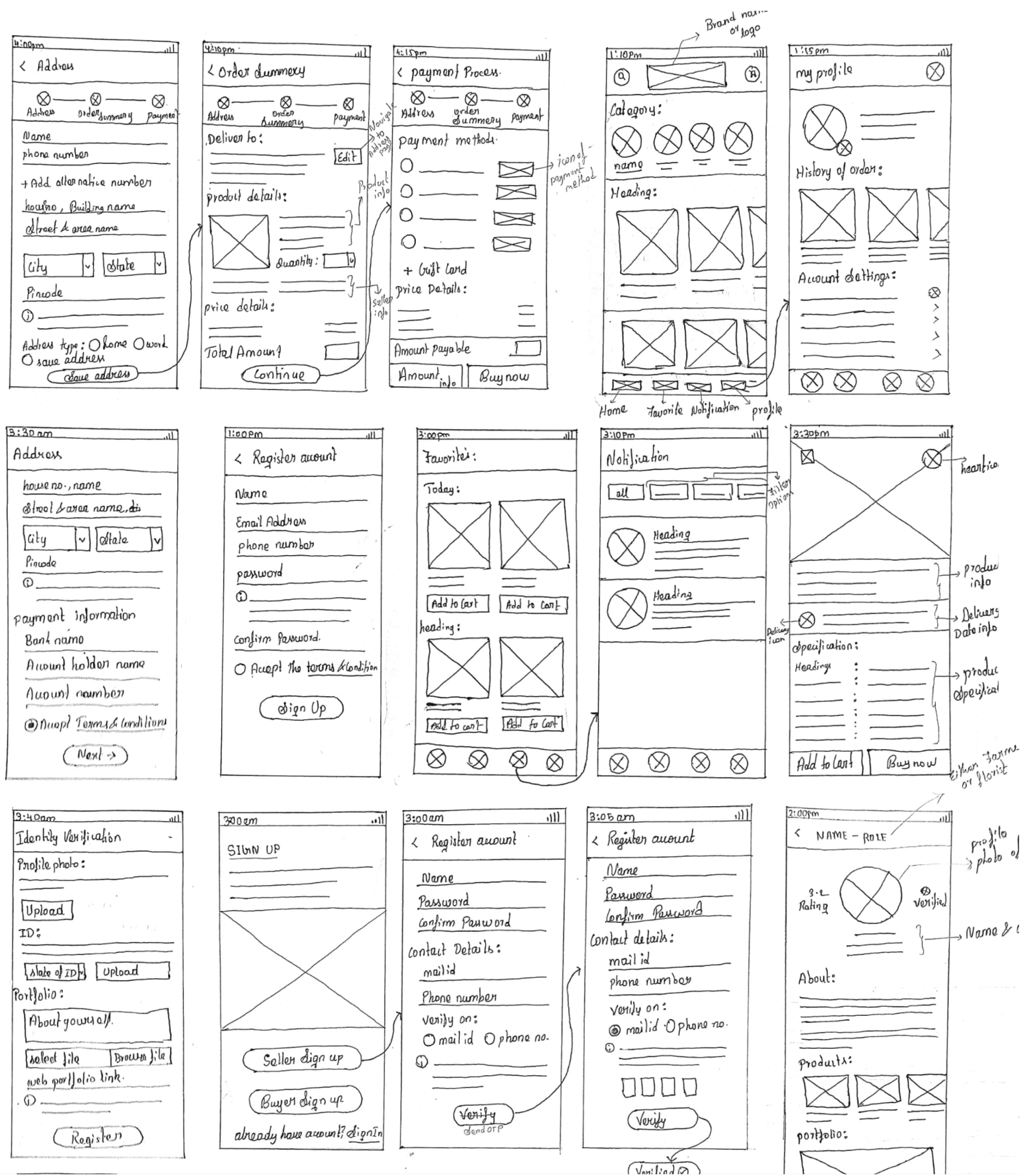
Wireframe
Before moving into detailed UI design, I created low-fidelity wireframes to map out the core structure of the app.

The Design
Seller Dashboard


Date Picker
Allows users to easily select a specific date for detailed information. For easy grouping, given with 4 options - Today, Weekly, Monthly and Yearly to view info.
Performance Summary
User can get a quick clarity on how their day is going without much clicks. which helps them instantly understand orders, deliveries, and earnings, supporting quick decision-making.
Order Segmentation
Categorizes orders into All, Pending, Delivered, and Returned.
Enables users to prioritize actions and reduce time spent searching through orders.
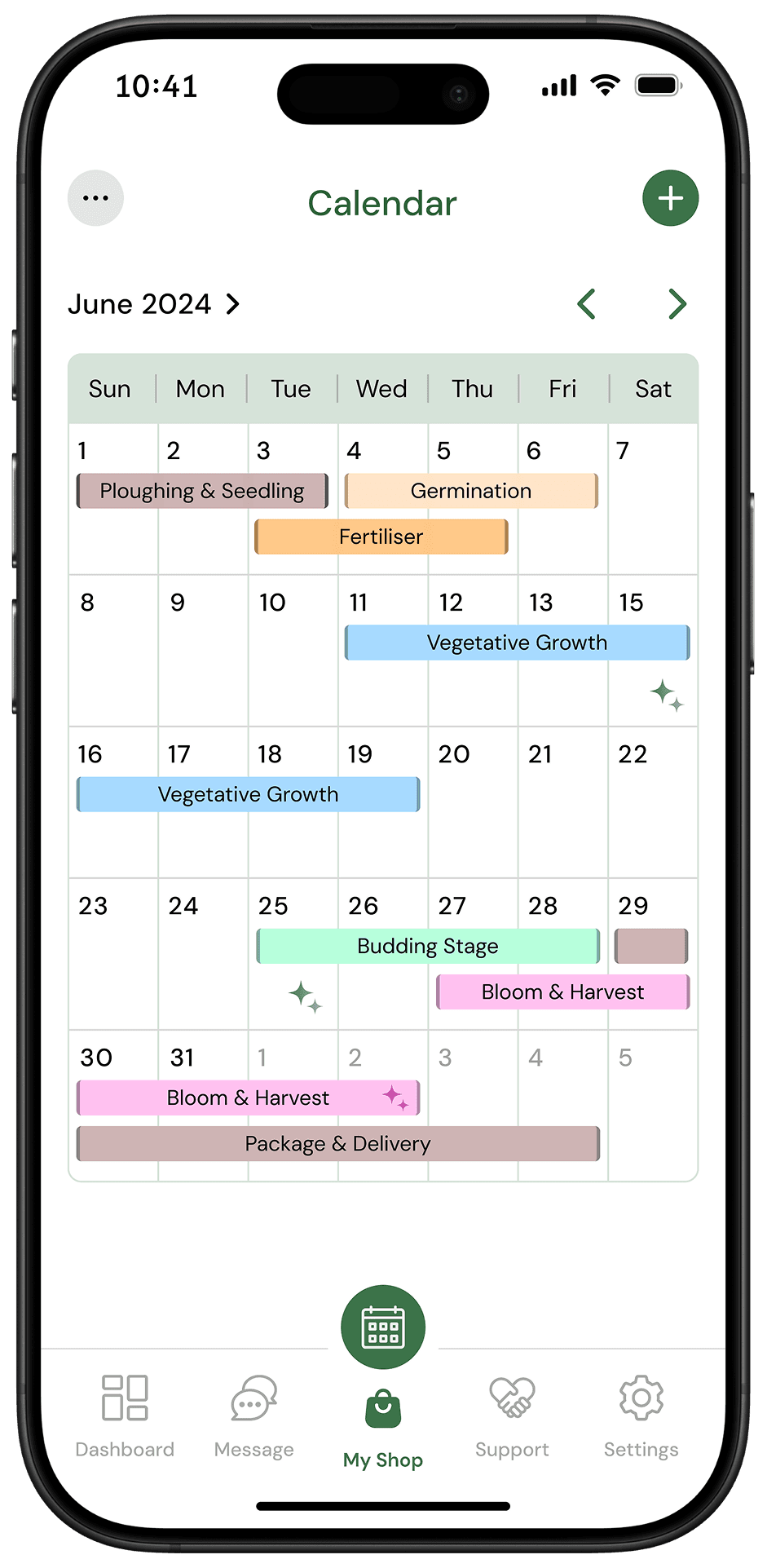
Custom Timeline Picker
Allows users to select specific dates or custom ranges for detailed insights. Provides flexibility beyond presets, enabling better control over tracking performance and orders. Designed to keep interactions simple while supporting personalized planning needs
Earnings Indicator
Displays today’s earnings along with growth percentage, giving users instant financial awareness. Encourages better tracking of income and performance over time
Order List (Status-Based)
Shows all orders with clear status, location, and delivery timeline. Helps farmers quickly identify what needs attention and manage tasks efficiently.
Storage & Message


Inventory Segmentation
Categorizes products into All, In Stock, and Low Stock. Helps users quickly monitor inventory levels and take timely action
Smart Inventory Insight
Highlights important trends or demand predictions (e.g., seasonal spikes like Diwali). Supports better planning for stock and sales
Product Management Grid
Displays products with image, price, discount, and stock controls. Enables quick updates to inventory without navigating away.
Smart Recommendation Tag
Highlights actionable insights like “High demand”, “Try bundling”, or “Increase stock”. Guides users to make better selling decisions without manual analysis
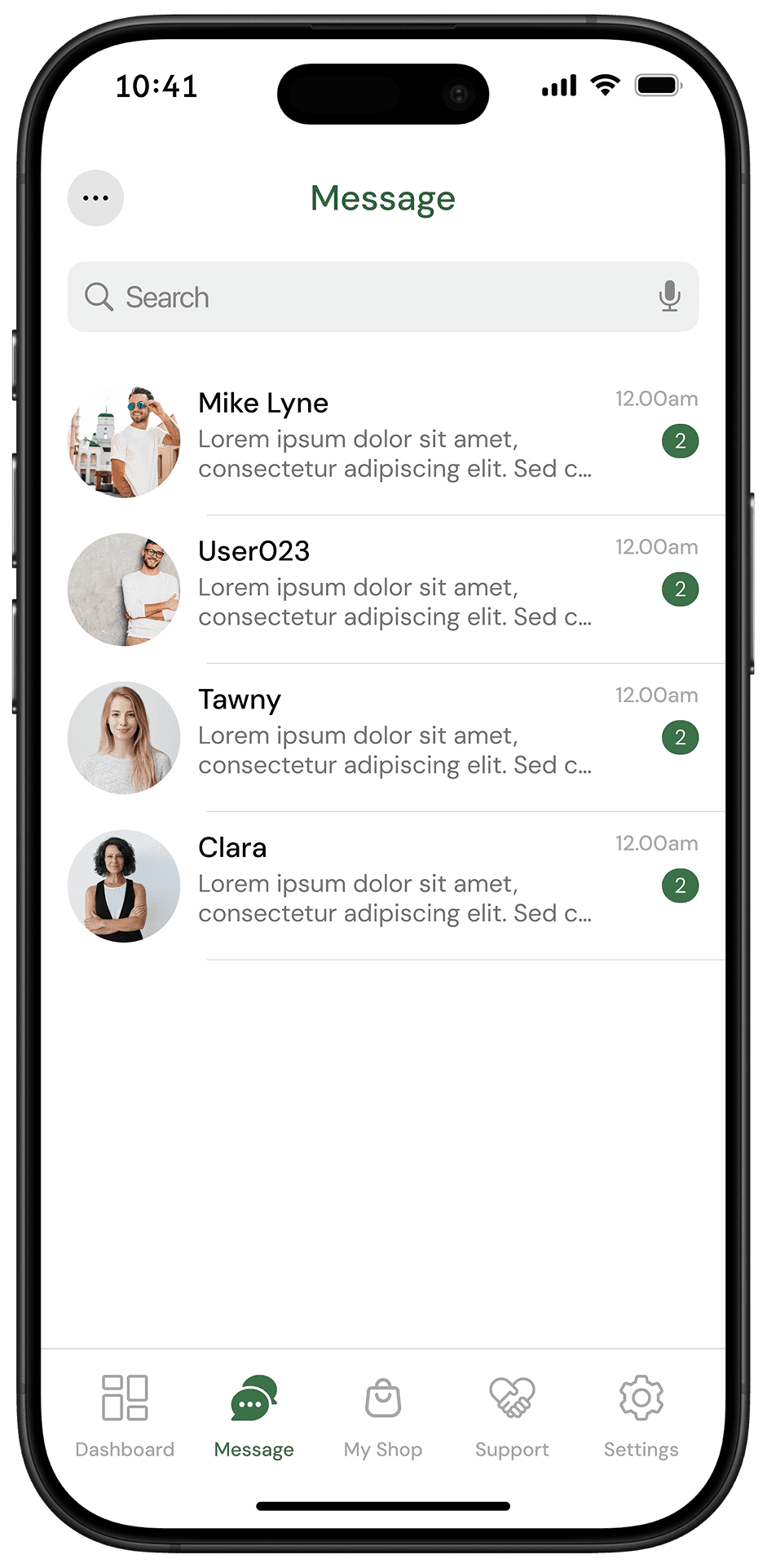
Communication Hub
Centralized space for buyer-seller interactions. Shows recent conversations with timestamps and unread indicators. Displays user profile, last message preview, and unread count
💫 Our Beautiful Outcomes
Crafting Experience that feel Effortless to be in
Have an Idea for a Product? Mail me at
Copyright @ Portfolio by Ram
Ramakrishnan Santhanam